Every review, ranked by score
Scores come from the same four weighted criteria on every product. Tap a row to read the full review, with every fee we paid.
20 reviews
| Rank | Review | Score | Category | Price | Maker | Link |
|---|---|---|---|---|---|---|
| 01 | 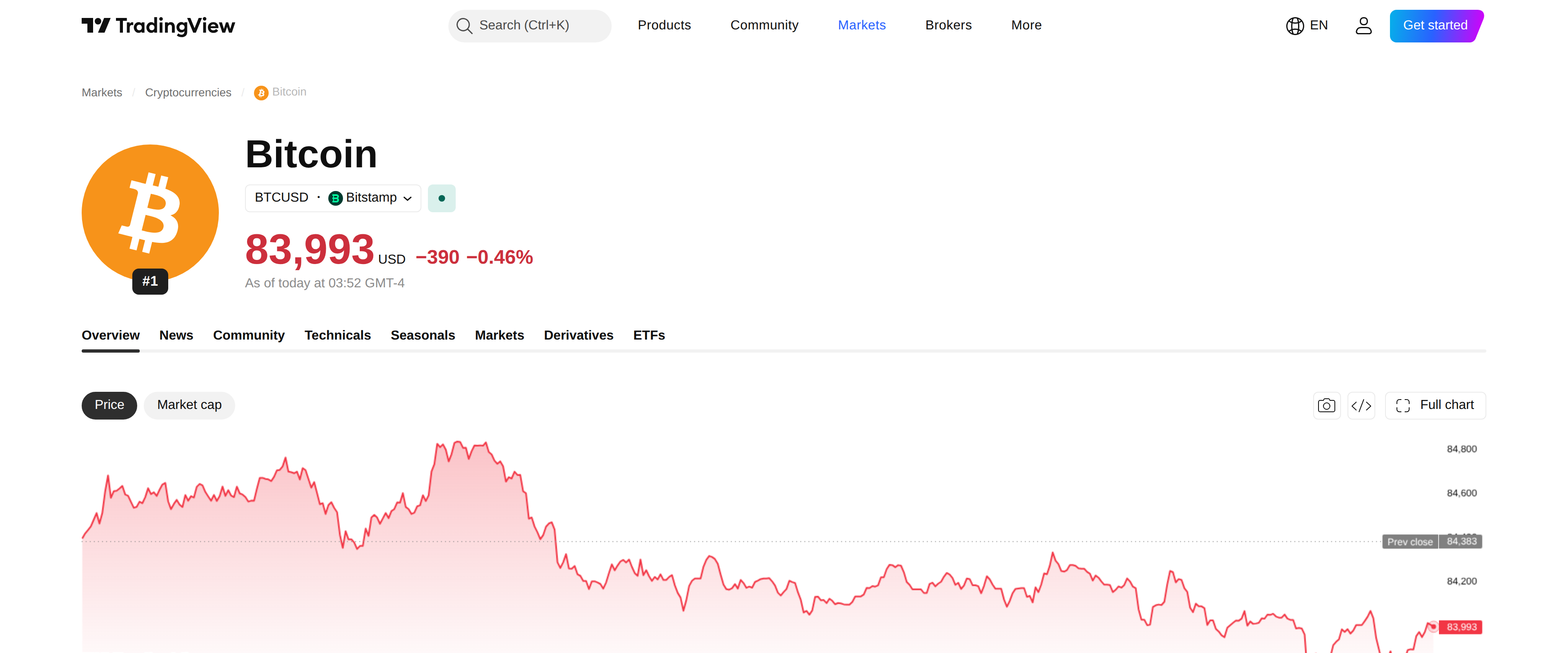 TradingViewTradingView earns its position as the default charting tool for crypto traders because the free Basic plan already includes real-time data from the exchange itself, something stock traders on the same tier do not get. The wall a crypto trader hits first is alerts, not data: 3 price alerts and 20 technical alerts on Basic pushed us to Essential within our first week of active use. Most readers of this site should start free and upgrade only once they hit that specific wall. TradingViewTradingView earns its position as the default charting tool for crypto traders because the free Basic plan already includes real-time data from the exchange itself, something stock traders on the same tier do not get. The wall a crypto trader hits first is alerts, not data: 3 price alerts and 20 technical alerts on Basic pushed us to Essential within our first week of active use. Most readers of this site should start free and upgrade only once they hit that specific wall. | 8.2 | Research Tools | Free; paid plans from $12.95/mo | TradingView | Read review |
| 02 | 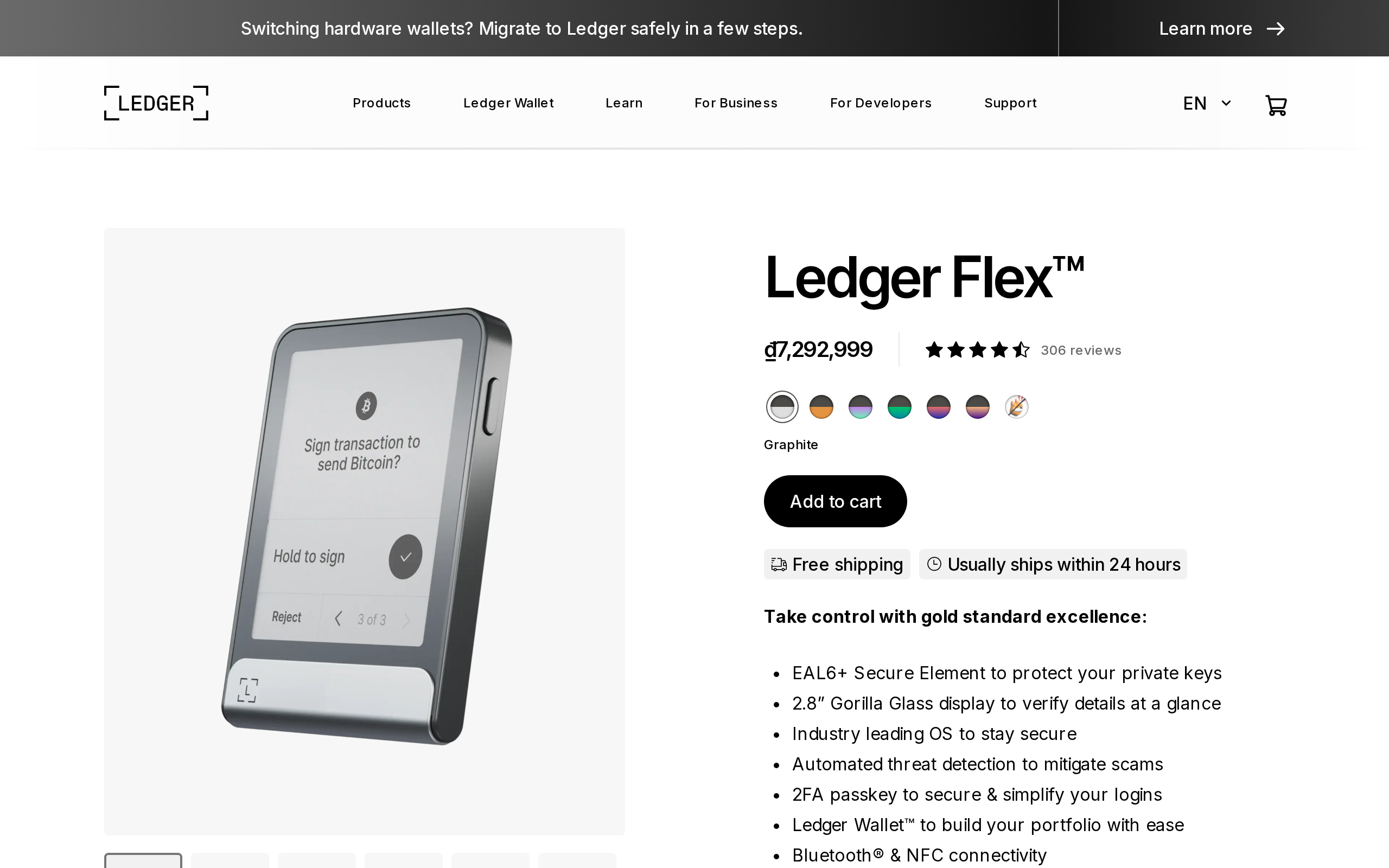 Ledger FlexThe Ledger Flex is the better piece of hardware: a bigger EAL6+ secure element, a touchscreen you can actually read a full address on, and NFC that a Nano X does not have. None of that changes what you are protecting, a private key, and a Nano X protects the same key for $100 less. Buy the Flex if you sign transactions often enough that the screen matters daily; buy a Nano if a wallet mostly sits in a drawer. Ledger FlexThe Ledger Flex is the better piece of hardware: a bigger EAL6+ secure element, a touchscreen you can actually read a full address on, and NFC that a Nano X does not have. None of that changes what you are protecting, a private key, and a Nano X protects the same key for $100 less. Buy the Flex if you sign transactions often enough that the screen matters daily; buy a Nano if a wallet mostly sits in a drawer. | 8.1 | Hardware Wallets | $249 | Ledger | Read review |
| 03 | 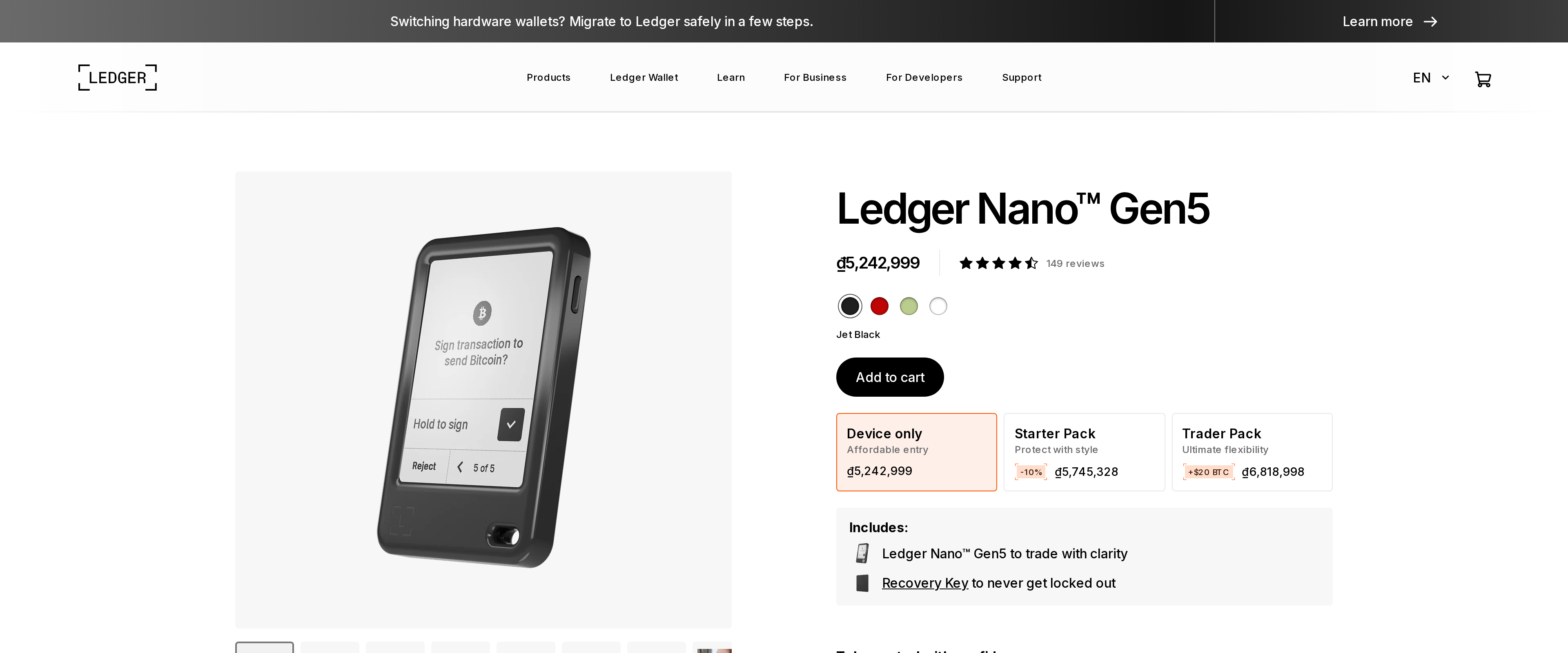 Ledger Nano Gen5The Nano Gen5 brings Ledger's touchscreen signing to its cheapest current model, and the same EAL6+ secure chip and Ledger OS the Flex runs. It stays worth $179 for anyone who does not need the Flex's larger, higher-contrast E Ink screen for reading long smart contract calls, and the $70 saved buys a lot of coffee for a device doing the same core job. Ledger Nano Gen5The Nano Gen5 brings Ledger's touchscreen signing to its cheapest current model, and the same EAL6+ secure chip and Ledger OS the Flex runs. It stays worth $179 for anyone who does not need the Flex's larger, higher-contrast E Ink screen for reading long smart contract calls, and the $70 saved buys a lot of coffee for a device doing the same core job. | 8.1 | Hardware Wallets | $179 | Ledger | Read review |
| 04 | 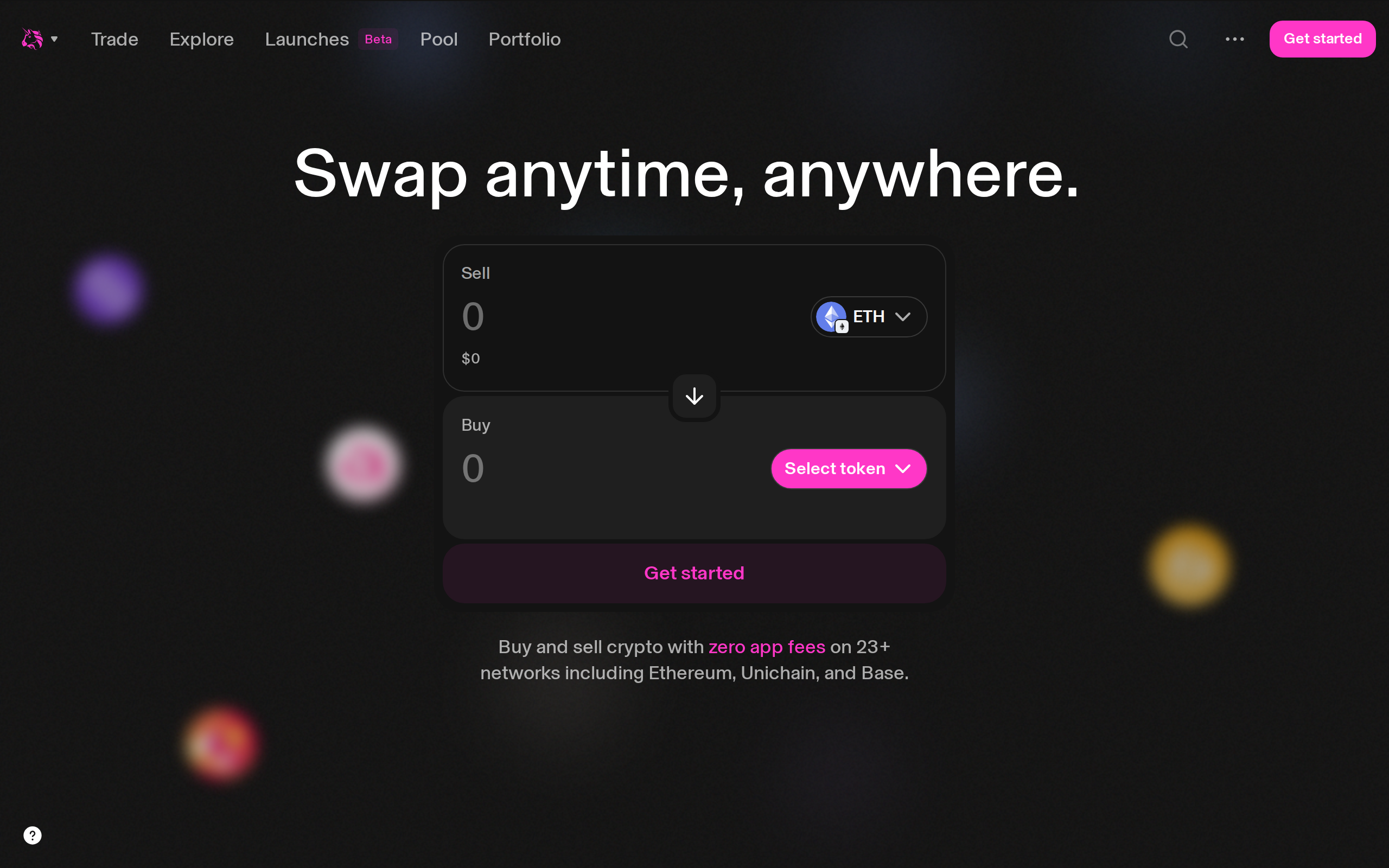 UniswapUniswap's decision to drop its interface fee to zero in December 2025 removed the one charge that made a centralized exchange cheaper for a simple swap. What is left is gas and the pool's own fee tier, both visible before a trader confirms anything. The protocol still cannot stop a sandwich attack on a wide slippage setting, and anyone in a comprehensively sanctioned country cannot load the interface at all. UniswapUniswap's decision to drop its interface fee to zero in December 2025 removed the one charge that made a centralized exchange cheaper for a simple swap. What is left is gas and the pool's own fee tier, both visible before a trader confirms anything. The protocol still cannot stop a sandwich attack on a wide slippage setting, and anyone in a comprehensively sanctioned country cannot load the interface at all. | 7.9 | On-Chain Trading | Free; swap and network fees apply | Uniswap Labs | Read review |
| 05 |  PhantomPhantom does what it promises: one app, one seed phrase, eight chains, and a private key that never leaves the device. The scam-detection layer caught a malicious approval during testing that a plainer wallet would have waved through. Where it costs you is the swap screen, where an 0.85% fee eats into anything you route through the built-in aggregator, and the wallet's own history includes a disputed 2025 lawsuit over alleged key extraction that anyone trusting it with serious sums should read before, not after, funding it. PhantomPhantom does what it promises: one app, one seed phrase, eight chains, and a private key that never leaves the device. The scam-detection layer caught a malicious approval during testing that a plainer wallet would have waved through. Where it costs you is the swap screen, where an 0.85% fee eats into anything you route through the built-in aggregator, and the wallet's own history includes a disputed 2025 lawsuit over alleged key extraction that anyone trusting it with serious sums should read before, not after, funding it. | 7.8 | Self-Custody Apps | Free | Phantom Technologies | Read review |
| 06 | 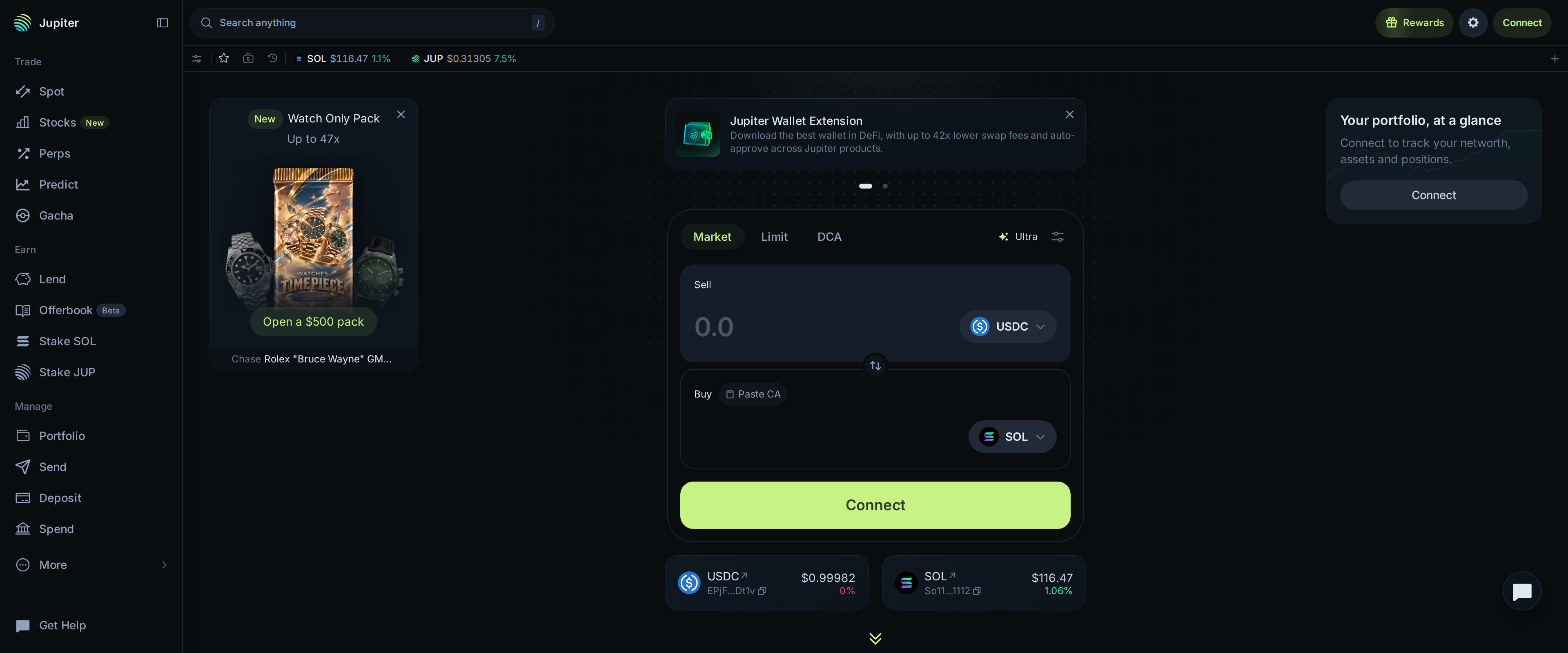 JupiterJupiter earns its reputation as Solana's default swap router: fees run from 0 to 10 basis points on most pairs, and its meta-aggregation genuinely finds better prices than trading on a single venue would. The same interface puts 250x leverage on SOL, BTC and ETH perps one toggle away from a basic swap, and it is fully self-custodial, so a newcomer who gets phished or over-leveraged has nobody to call. JupiterJupiter earns its reputation as Solana's default swap router: fees run from 0 to 10 basis points on most pairs, and its meta-aggregation genuinely finds better prices than trading on a single venue would. The same interface puts 250x leverage on SOL, BTC and ETH perps one toggle away from a basic swap, and it is fully self-custodial, so a newcomer who gets phished or over-leveraged has nobody to call. | 7.8 | On-Chain Trading | Free; swap fees 0-50 bps plus network fees | Jupiter | Read review |
| 07 |  KoinlyKoinly earns its reputation as the fastest way to turn a messy multi-exchange history into a readable capital gains report, and the free preview lets you check that math before paying a cent. It is not a hands-off tool: users and our own test both found DeFi transactions and fee handling that needed a manual correction before the numbers matched what actually happened on-chain. Budget an hour of review time per tax year, not zero. KoinlyKoinly earns its reputation as the fastest way to turn a messy multi-exchange history into a readable capital gains report, and the free preview lets you check that math before paying a cent. It is not a hands-off tool: users and our own test both found DeFi transactions and fee handling that needed a manual correction before the numbers matched what actually happened on-chain. Budget an hour of review time per tax year, not zero. | 7.7 | Crypto Tax Software | Free to preview; paid plans from $49/year | Koinly | Read review |
| 08 |  OKXOKX's pitch, one login covering a licensed spot exchange and a non-custodial Web3 wallet, held up in our testing: the regular 0.08 percent maker fee undercuts several rivals, and the wallet's swap router genuinely compares 400-plus DEXs across more than 30 networks. That combination came from a $504 million settlement after a guilty plea to running an unlicensed money transmitting business, and the exchange still will not open accounts in New York, Texas or several other jurisdictions. Traders comfortable with that history get a capable, cheap combined platform. OKXOKX's pitch, one login covering a licensed spot exchange and a non-custodial Web3 wallet, held up in our testing: the regular 0.08 percent maker fee undercuts several rivals, and the wallet's swap router genuinely compares 400-plus DEXs across more than 30 networks. That combination came from a $504 million settlement after a guilty plea to running an unlicensed money transmitting business, and the exchange still will not open accounts in New York, Texas or several other jurisdictions. Traders comfortable with that history get a capable, cheap combined platform. | 7.7 | Trading Exchanges | Spot fees from 0.08% | OKX | Read review |
| 09 | 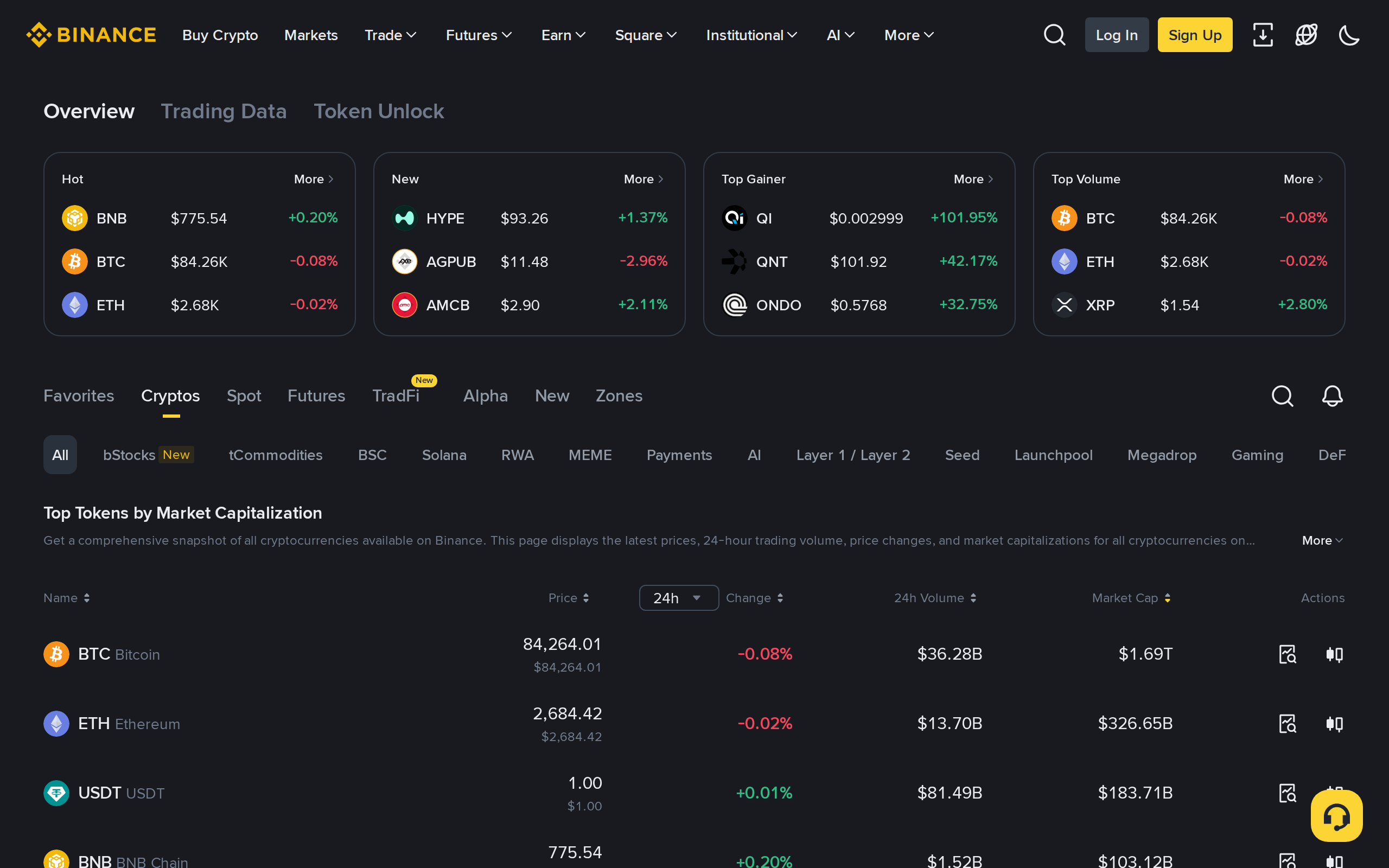 BinanceBinance still books the deepest order books and the lowest headline fee of any exchange in our rotation, and that gap does not close for BTC/USDT or ETH/USDT even against Coinbase's discounted tiers. It is not the platform we recommend without a caveat, though: a $4.3 billion US settlement in 2023 over anti-money-laundering and sanctions failures is recent history, not ancient news, and US residents cannot open the global platform at all. Trade where your feet are. BinanceBinance still books the deepest order books and the lowest headline fee of any exchange in our rotation, and that gap does not close for BTC/USDT or ETH/USDT even against Coinbase's discounted tiers. It is not the platform we recommend without a caveat, though: a $4.3 billion US settlement in 2023 over anti-money-laundering and sanctions failures is recent history, not ancient news, and US residents cannot open the global platform at all. Trade where your feet are. | 7.6 | Trading Exchanges | Spot fees from 0.1% | Binance | Read review |
| 10 | 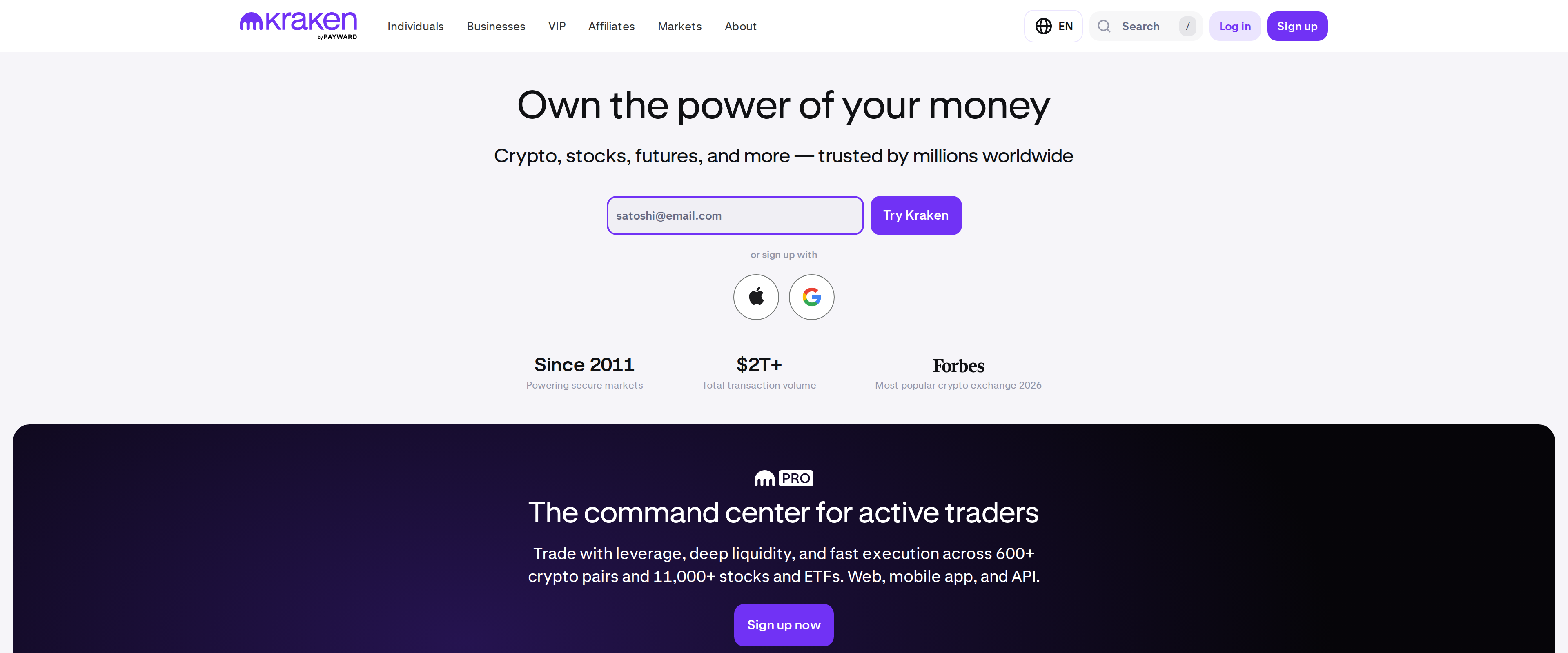 KrakenKraken earns its reputation as a safer beginner exchange: it holds SOC 2 and ISO 27001 audits, offers passkey login and has never lost customer crypto to a hack in its history. The 1% Instant Buy fee stings anyone who never graduates to Kraken Pro, and New York residents cannot open an account at all. Move to Pro within a week of signing up and the fee problem mostly disappears. KrakenKraken earns its reputation as a safer beginner exchange: it holds SOC 2 and ISO 27001 audits, offers passkey login and has never lost customer crypto to a hack in its history. The 1% Instant Buy fee stings anyone who never graduates to Kraken Pro, and New York residents cannot open an account at all. Move to Pro within a week of signing up and the fee problem mostly disappears. | 7.6 | Beginner Exchanges | Free to join; fees per trade | Payward | Read review |
| 11 | 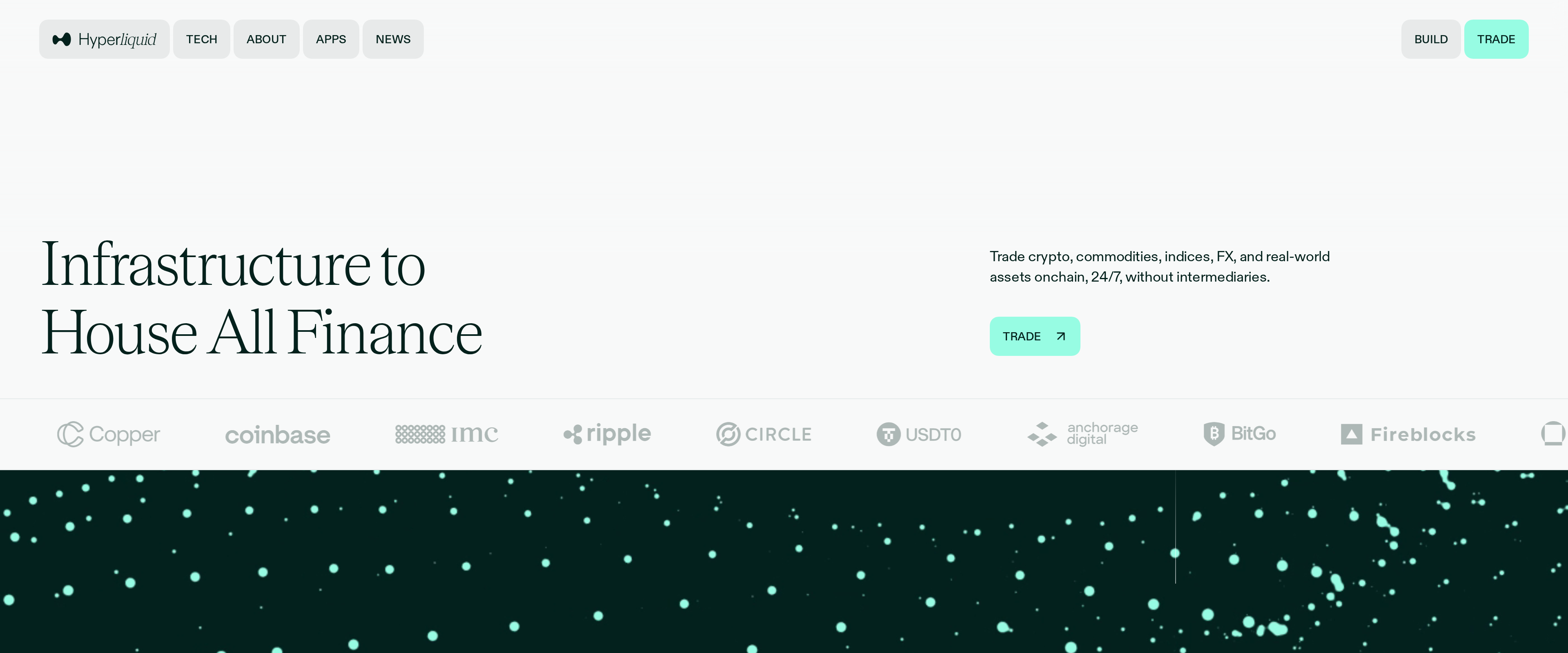 HyperliquidHyperliquid delivers on the core promise: an order book, not an automated market maker, settling every order and liquidation on-chain in about a tenth of a second per block. Fees undercut Binance at the base tier, and depositing means connecting a wallet rather than handing over an ID. The March 2025 JELLY incident showed the limits of that design under attack, when the platform's own vault absorbed a loss before 27 validators voted in two minutes to unwind the trade at a price the exchange chose. That response protected users at the cost of the neutrality the chain advertises, and anyone trading size here should know both halves of that story. HyperliquidHyperliquid delivers on the core promise: an order book, not an automated market maker, settling every order and liquidation on-chain in about a tenth of a second per block. Fees undercut Binance at the base tier, and depositing means connecting a wallet rather than handing over an ID. The March 2025 JELLY incident showed the limits of that design under attack, when the platform's own vault absorbed a loss before 27 validators voted in two minutes to unwind the trade at a price the exchange chose. That response protected users at the cost of the neutrality the chain advertises, and anyone trading size here should know both halves of that story. | 7.6 | On-Chain Trading | Free to use; trading fees apply | Hyperliquid Labs | Read review |
| 12 |  CoinbaseCoinbase earns its reputation as the easiest legal on-ramp into crypto and its regulatory record is the cleanest among large US exchanges, but that ease has a price tag. Buy through the simple app and you can lose up to 2% to spread before any fee is even named. Route the identical order through Advanced Trade or pay $4.99 a month for Coinbase One and the same trade costs a fraction of that. Skilled or careless, you choose the price you pay. CoinbaseCoinbase earns its reputation as the easiest legal on-ramp into crypto and its regulatory record is the cleanest among large US exchanges, but that ease has a price tag. Buy through the simple app and you can lose up to 2% to spread before any fee is even named. Route the identical order through Advanced Trade or pay $4.99 a month for Coinbase One and the same trade costs a fraction of that. Skilled or careless, you choose the price you pay. | 7.4 | Beginner Exchanges | Free to join; fees per trade | Coinbase Global | Read review |
| 13 |  Tangem WalletTangem replaces the part of hardware wallet ownership people actually get wrong, writing down and hiding a seed phrase, with a chip that generates and holds the key on the card itself. Setup took two minutes with a phone's NFC reader and produced nothing to write down at all. The trade is total: there is no seed phrase backup, so losing every card in a set locks the funds permanently, and a disclosed laser attack in July 2026 showed the chip can be defeated in a lab, even if only with equipment and access no pickpocket carries. Buy it knowing both facts, not just the marketing one. Tangem WalletTangem replaces the part of hardware wallet ownership people actually get wrong, writing down and hiding a seed phrase, with a chip that generates and holds the key on the card itself. Setup took two minutes with a phone's NFC reader and produced nothing to write down at all. The trade is total: there is no seed phrase backup, so losing every card in a set locks the funds permanently, and a disclosed laser attack in July 2026 showed the chip can be defeated in a lab, even if only with equipment and access no pickpocket carries. Buy it knowing both facts, not just the marketing one. | 7.4 | Hardware Wallets | $59.90 for a two-card set, $69.90 for three | Tangem | Read review |
| 14 |  Trezor Safe 7The Safe 7 earns its place at the top of Trezor's range for anyone who signs transactions from a phone: the 2.5-inch touchscreen, encrypted Bluetooth and Qi2 charging genuinely change how the device is used day to day. What it does not do is prove a security advantage over the $169 Safe 5, and a disclosed laser fault-injection weakness in the auditable TROPIC01 chip means the newest part is also the newest attack surface. Buyers who sign mostly from a desk should save $80 and buy the Safe 5 instead. Trezor Safe 7The Safe 7 earns its place at the top of Trezor's range for anyone who signs transactions from a phone: the 2.5-inch touchscreen, encrypted Bluetooth and Qi2 charging genuinely change how the device is used day to day. What it does not do is prove a security advantage over the $169 Safe 5, and a disclosed laser fault-injection weakness in the auditable TROPIC01 chip means the newest part is also the newest attack surface. Buyers who sign mostly from a desk should save $80 and buy the Safe 5 instead. | 7.4 | Hardware Wallets | $249 | Trezor (SatoshiLabs) | Read review |
| 15 | 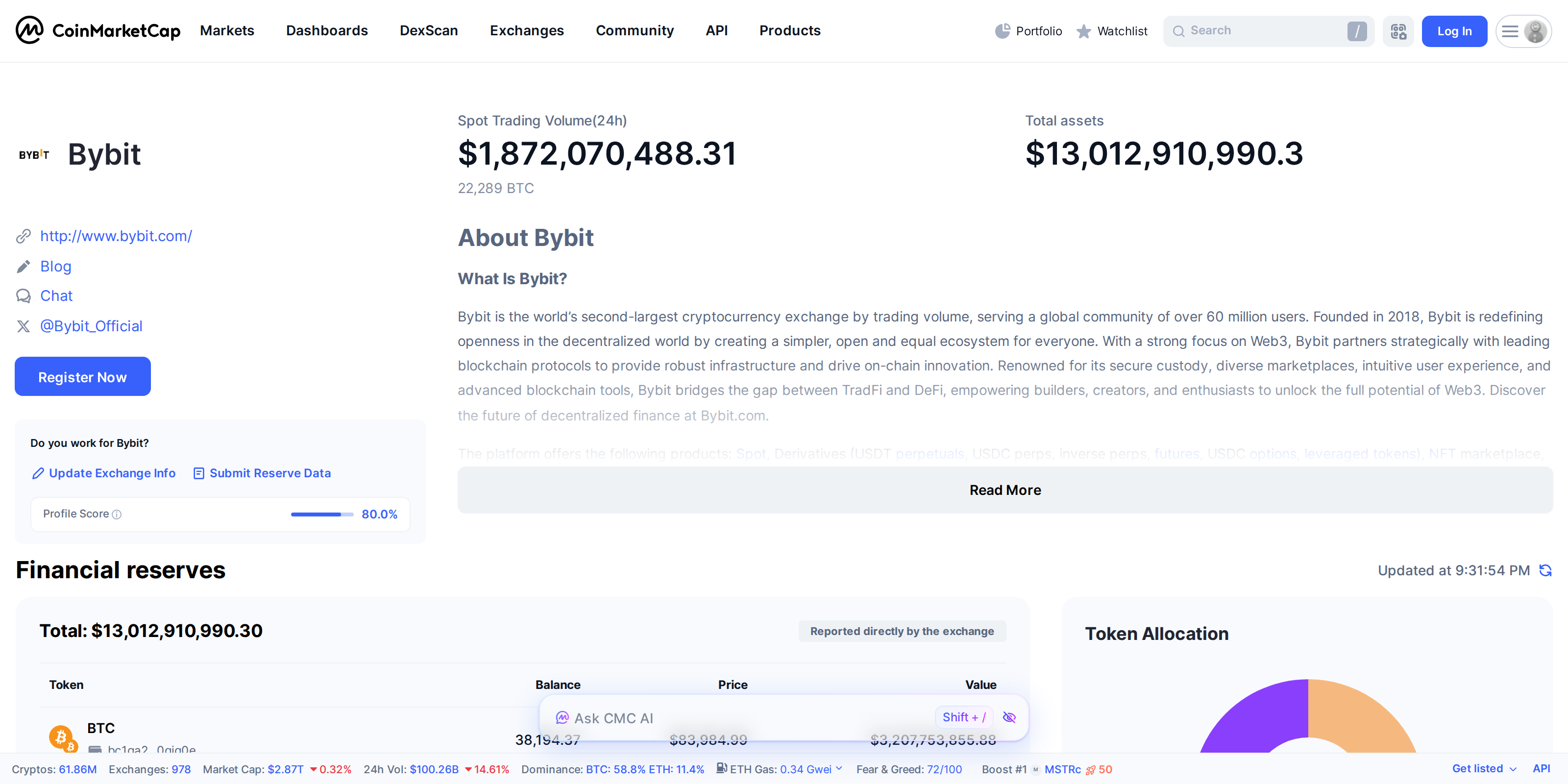 BybitBybit rebuilt its reserves past 100% collateralization within about 72 hours of losing $1.5 billion to the Lazarus Group, and its 0.055% futures taker fee still undercuts most rivals we have tested. That recovery does not erase the fact the breach happened on Bybit's watch, and it still will not open an account for anyone in the US or Canada. BybitBybit rebuilt its reserves past 100% collateralization within about 72 hours of losing $1.5 billion to the Lazarus Group, and its 0.055% futures taker fee still undercuts most rivals we have tested. That recovery does not erase the fact the breach happened on Bybit's watch, and it still will not open an account for anyone in the US or Canada. | 7.4 | Trading Exchanges | Free to join; spot fees from 0.1% | Bybit | Read review |
| 16 | 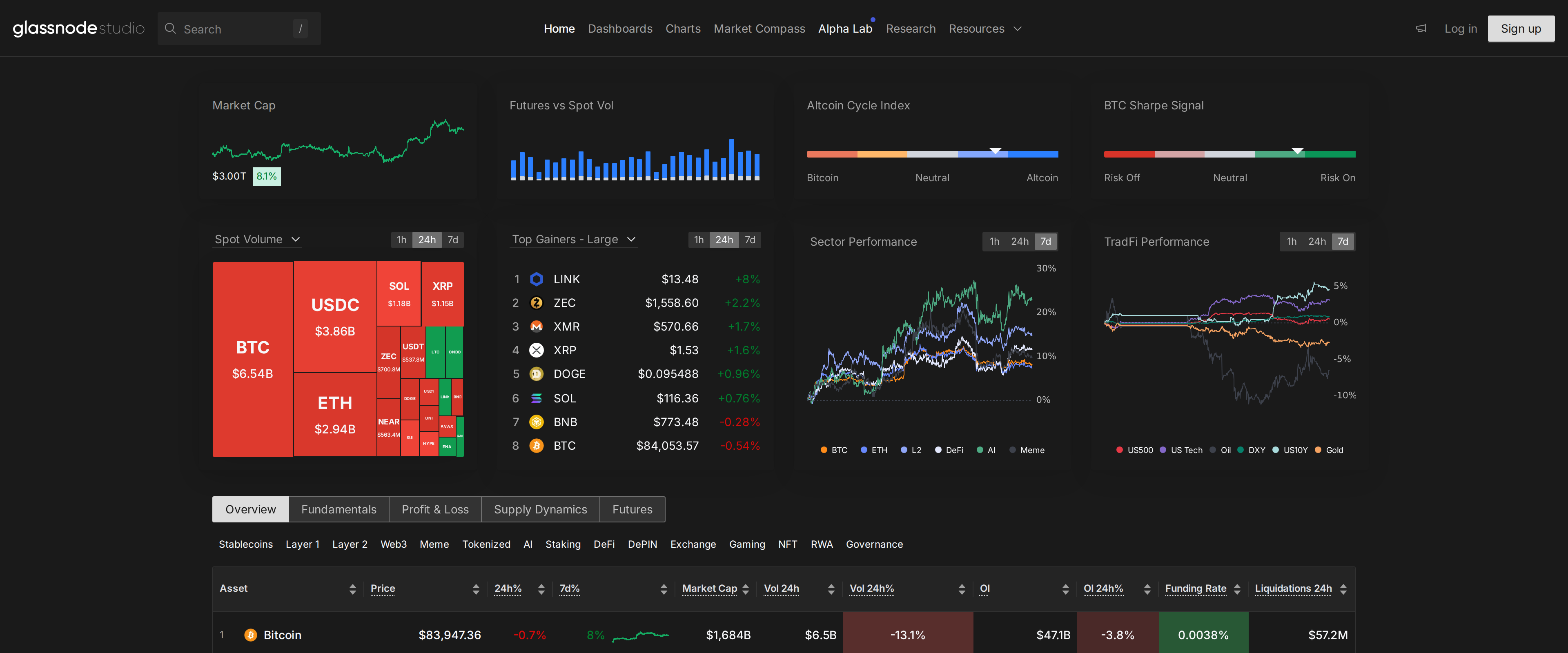 GlassnodeGlassnode's on-chain metrics genuinely map holder behavior onto price in ways a candlestick chart cannot, and the Professional tier's 15 years of history and per-exchange breakdowns serve real trading desks. A casual investor paying $49 a month for the Advanced tier, with no API access and no free trial to test it first, will use a fraction of what they are buying. GlassnodeGlassnode's on-chain metrics genuinely map holder behavior onto price in ways a candlestick chart cannot, and the Professional tier's 15 years of history and per-exchange breakdowns serve real trading desks. A casual investor paying $49 a month for the Advanced tier, with no API access and no free trial to test it first, will use a fraction of what they are buying. | 7.2 | Research Tools | Advanced $49/mo billed annually; Professional custom-priced | Glassnode | Read review |
| 17 |  MetaMaskMetaMask is still where we would send a first-time Ethereum user, because the extension is free, the seed phrase never leaves the device and the install process has not changed enough to confuse anyone following a guide. It is not the wallet we would send a frequent trader to unmodified: a 0.875% swap fee buried in the quote costs real money on anything larger than a small trade, and Rabby's transaction simulation catches malicious signatures earlier than MetaMask's alerts do. MetaMaskMetaMask is still where we would send a first-time Ethereum user, because the extension is free, the seed phrase never leaves the device and the install process has not changed enough to confuse anyone following a guide. It is not the wallet we would send a frequent trader to unmodified: a 0.875% swap fee buried in the quote costs real money on anything larger than a small trade, and Rabby's transaction simulation catches malicious signatures earlier than MetaMask's alerts do. | 7.2 | Self-Custody Apps | Free | Consensys | Read review |
| 18 |  CoinTrackerCoinTracker earns its free tier's popularity honestly: unlimited portfolio tracking, with no card required, is a real product rather than a funnel to the paid tier. The paid side is harder to love, since a $59 Base plan caps out at 100 transactions and Prime jumps to $199 for 1,000, pricing that punishes anyone active across multiple chains. If your year was mostly buying and holding through Coinbase, the tight integration there earns the subscription. If more than a fifth of your activity touched DeFi, budget time to fix miscategorized transactions by hand, a problem CoinTracker has not solved better than its rivals. CoinTrackerCoinTracker earns its free tier's popularity honestly: unlimited portfolio tracking, with no card required, is a real product rather than a funnel to the paid tier. The paid side is harder to love, since a $59 Base plan caps out at 100 transactions and Prime jumps to $199 for 1,000, pricing that punishes anyone active across multiple chains. If your year was mostly buying and holding through Coinbase, the tight integration there earns the subscription. If more than a fifth of your activity touched DeFi, budget time to fix miscategorized transactions by hand, a problem CoinTracker has not solved better than its rivals. | 7.0 | Crypto Tax Software | Free tier; paid plans from $59/year | CoinTracker | Read review |
| 19 |  GeminiGemini's pitch has always been trust before convenience, and the audit trail backs it up: SOC 1 and SOC 2 Type 2 reports from Deloitte, ISO 27001 certification, and $125 million in hot wallet insurance most rivals do not disclose in the same detail. That trust costs money, 0.6% maker and 1.2% taker on ActiveTrader before any spread, and it no longer reaches everyone; Gemini shut down UK, EEA and Australian retail accounts on April 6, 2026. If compliance and audits matter more to you than the lowest fee on the page, and you live somewhere Gemini still operates, it earns the premium. If you live in one of the exited markets, the question is already answered for you. GeminiGemini's pitch has always been trust before convenience, and the audit trail backs it up: SOC 1 and SOC 2 Type 2 reports from Deloitte, ISO 27001 certification, and $125 million in hot wallet insurance most rivals do not disclose in the same detail. That trust costs money, 0.6% maker and 1.2% taker on ActiveTrader before any spread, and it no longer reaches everyone; Gemini shut down UK, EEA and Australian retail accounts on April 6, 2026. If compliance and audits matter more to you than the lowest fee on the page, and you live somewhere Gemini still operates, it earns the premium. If you live in one of the exited markets, the question is already answered for you. | 6.9 | Beginner Exchanges | Free to join; fees per trade | Gemini Trust Company | Read review |
| 20 |  Crypto.com AppCrypto.com's app is genuinely easy to open an account on and covers stocks, predictions and crypto in one place, which few competitors match. The 0.80% flat fee on app trades plus a spread on top costs more than a plain exchange order book, and the card's headline cashback now requires CRO stakes running from $500 to $500,000 locked for a year, so most users will earn far less than the marketing implies. Crypto.com AppCrypto.com's app is genuinely easy to open an account on and covers stocks, predictions and crypto in one place, which few competitors match. The 0.80% flat fee on app trades plus a spread on top costs more than a plain exchange order book, and the card's headline cashback now requires CRO stakes running from $500 to $500,000 locked for a year, so most users will earn far less than the marketing implies. | 6.3 | Beginner Exchanges | Free to join; app fees and spreads per trade | Crypto.com | Read review |
The top 3 side by side
| Criterion | TradingView | Ledger Flex | Ledger Nano Gen5 |
|---|---|---|---|
| Our score | 8.2 | 8.1 | 8.1 |
| Best for | Crypto traders who want one chart with real alerts, not the single free chart tab | Owners who sign transactions often enough to want a full-size touchscreen and are willing to pay $249 for it. | Buyers who want touchscreen signing and Bluetooth without paying for the Flex's bigger screen |
| Price | Free; paid plans from $12.95/mo | $249 | $179 |
| Maker | TradingView | Ledger | Ledger |
| Category | Research Tools | Hardware Wallets | Hardware Wallets |
| Verdict | TradingView earns its position as the default charting tool for crypto traders because the free Basic plan already includes real-time data from the exchange itself, something stock traders on the same tier do not get. The wall a crypto trader hits first is alerts, not data: 3 price alerts and 20 technical alerts on Basic pushed us to Essential within our first week of active use. Most readers of this site should start free and upgrade only once they hit that specific wall. | The Ledger Flex is the better piece of hardware: a bigger EAL6+ secure element, a touchscreen you can actually read a full address on, and NFC that a Nano X does not have. None of that changes what you are protecting, a private key, and a Nano X protects the same key for $100 less. Buy the Flex if you sign transactions often enough that the screen matters daily; buy a Nano if a wallet mostly sits in a drawer. | The Nano Gen5 brings Ledger's touchscreen signing to its cheapest current model, and the same EAL6+ secure chip and Ledger OS the Flex runs. It stays worth $179 for anyone who does not need the Flex's larger, higher-contrast E Ink screen for reading long smart contract calls, and the $70 saved buys a lot of coffee for a device doing the same core job. |